
A Nun’s Discovery and the Search for Jesus’ Archaeological Home in Bethlehem
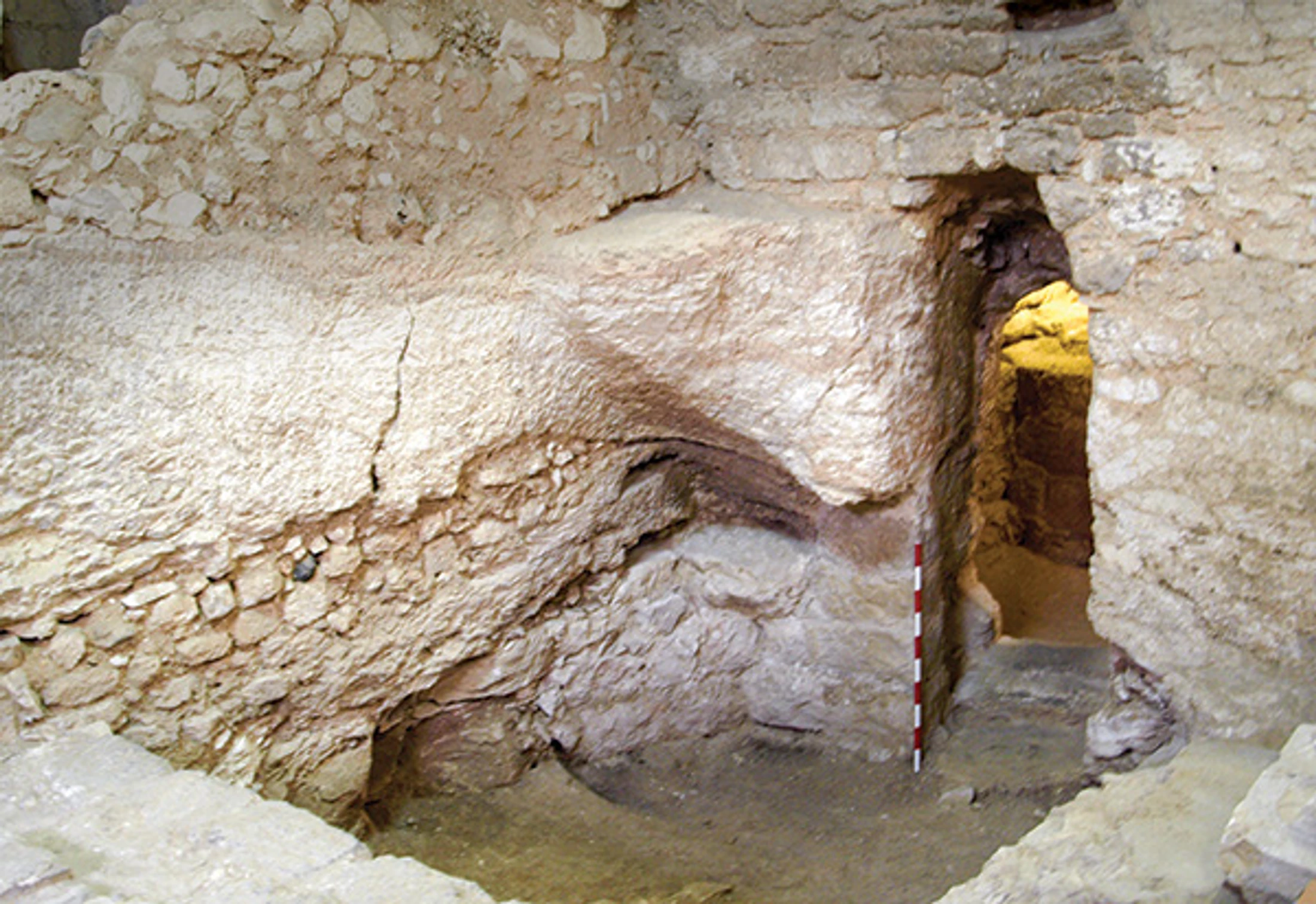
A Nun’s Discovery and the Search for Jesus’ Archaeological Home in Bethlehem
For centuries, Christians have looked to Bethlehem as the birthplace of Jesus Christ, guided by the testimony of Scripture and early Christian tradition (Micah 5:2; Luke 2:1–20). In recent decades, renewed archaeological interest—supported in part by the careful work of religious scholars, including Catholic nuns working alongside the Franciscan Custody of the Holy Land—has drawn fresh attention to the physical setting of Jesus’ early life and the humble world into which He was born.
(https://awestruckbyglory.com/discover/secrets-of-biblical-archaeology/the-discovery-of-the-childhood-home-of-jesus/)
The Franciscan Custody and Scholarly Research
Much of the archaeological investigation in Bethlehem has been carried out under the direction of the Franciscan Custody of the Holy Land, which has protected and studied Christian holy sites for more than 800 years. Religious scholars—priests, friars, and nuns—have participated in documenting ancient dwellings near and beneath the Church of the Nativity.
(Franciscan Custody of the Holy Land: https://www.custodia.org)
These studies focus on a network of first-century caves and domestic structures carved into the limestone bedrock. Such spaces were commonly used in Judea during the time of Jesus for living quarters, storage, and shelter for animals.
(Overview of first-century Judean homes: https://bible-history.com/sketches/first-century-israelite-houses)
Archaeology Beneath the Church of the Nativity
The Church of the Nativity, originally constructed in the fourth century under Emperor Constantine, stands above a grotto long venerated as the birthplace of Christ. Archaeological layers beneath and around the church reveal evidence of earlier habitation, including pottery fragments, oil lamps, and domestic tools dating to the Roman period.
(Church of the Nativity overview: https://whc.unesco.org/en/list/1433/)
These findings confirm that Bethlehem was a living Jewish village at the time of Jesus’ birth, consistent with the Gospel accounts. Archaeology does not claim to identify the exact house where Jesus lived, but it does show that the setting described in Scripture reflects real, historically plausible homes.
(Archaeology and the Nativity: https://www.smithsonianmag.com/history/the-real-story-of-christmas-180957990/)
A House Marked by Humility
The dwellings uncovered reflect simple, working-class homes, not palaces or elite residences. This aligns closely with the biblical portrait of Mary and Joseph—ordinary people of modest means. The Messiah entered history not surrounded by wealth, but among laborers and families who lived close to the land.
(Historical context of Jesus’ early life: https://www.britannica.com/biography/Jesus)
The caves and homes beneath Bethlehem provide a tangible reminder that the Incarnation occurred in a real place, among real people, under ordinary conditions.
Faith and Archaeology Together
The involvement of religious scholars, including nuns dedicated to preservation and study, highlights an important truth: faith and archaeology are not enemies. Archaeology cannot prove theological claims, but it can illuminate the historical world in which those claims emerged.
(Faith and archaeology in the Holy Land: https://www.biblicalarchaeology.org/daily/)
Each artifact—every lamp, stone, and household fragment—helps believers and historians alike better understand the environment Jesus entered when He took on flesh.
A Living Witness in Bethlehem
Today, pilgrims walking through Bethlehem stand above layers of history that quietly testify to the Gospel story. The careful work of archaeologists and religious communities ensures these sites are preserved with humility and respect.
(Pilgrimage and preservation: https://custodia.org/en/holy-places/bethlehem/)
The nun’s contribution to this ongoing research serves as a gentle reminder: Christianity is rooted not only in spiritual truth but in historical reality. Jesus was born into a real town, into an ordinary home, and into the daily life of a small Judean community—transforming human history forever.