
Historical & Apologetic Evidence for The Resurrection
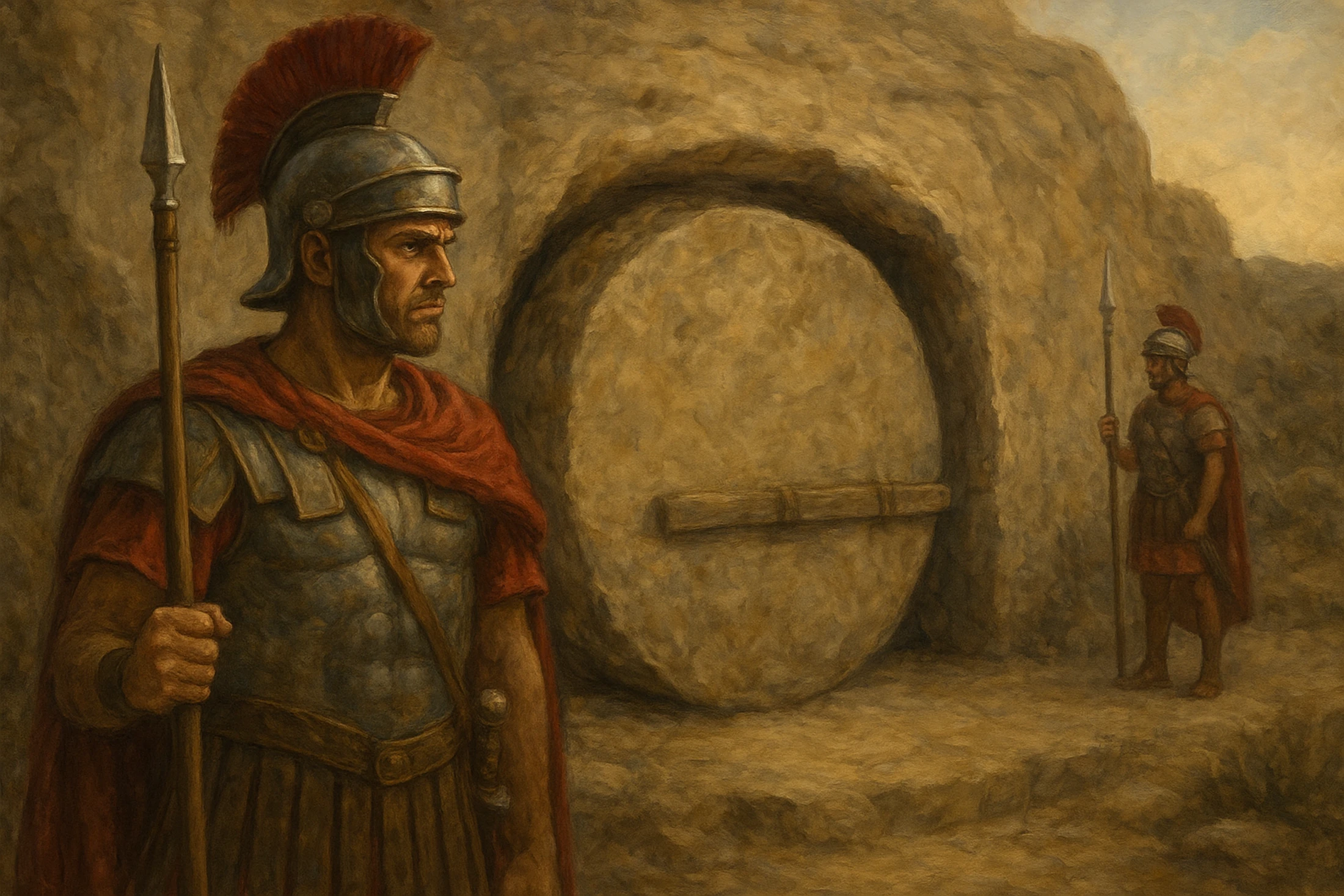
Christianity did not begin with a book but with an event—the resurrection of Jesus Christ. Long before the New Testament was written, followers of Jesus boldly proclaimed that He had risen from the dead, and this message spread across the ancient world, transforming fearful disciples into courageous witnesses. The resurrection is not just a hopeful story; it is the very foundation of the Christian faith. Without it, there would be no church, no gospel, and no Bible as we know it today. But with it, the claims of Jesus stand vindicated, and history itself bears the marks of its truth. In this article, we’ll explore the historical and evidential case for the resurrection, drawing from scholarly research, historical sources, and engaging resources that help us understand why so many continue to believe that Jesus truly rose from the grave.
Historical & Apologetic Evidence
1. Minimal Facts & Scholarly Consensus
Many historians—across religious and secular backgrounds—agree on a few key points:
Jesus existed, was crucified, and was buried.
His tomb was found empty shortly afterward.
Followers claimed sightings of a living Jesus and then rapidly, boldly spread the news.
The Gospel Coalition | Australia
This cluster of facts is referred to as the "minimal facts approach." Apologists argue that the hypothesis of resurrection provides the best explanation for these occurrences.
The Minimal Facts of the Resurrection
2. Empty Tomb & Early Testimony
The empty tomb is foundational: it was never produced by critics, despite knowing its location.
Moral Apologetics
The Gospels include embarrassing details (like women being first witnesses), which suggest authenticity rather than fabricated legend.
Moral Apologetics
Enemy attestation: Opponents admitted the tomb was empty and instead claimed the body was stolen—indirectly validating the fact.
Empty Tomb Is A Historical Fact
3. Eyewitness Appearances
1 Corinthians 15 speaks of over 500 people seeing the risen Jesus. Many were alive when Paul referenced them—offering potential verification.
Medium
Moral Apologetics
4. Transformation of Disciples
The first disciples, initially fearful, became bold proclaimers—even to the point of martyrdom—for their belief in Jesus’ resurrection. This willingness to die for a lie is historically implausible.
The Gospel Coalition | Australia
Moral Apologetics
5. Extra-Biblical & Archaeological Corroboration
References outside the Bible (like Tacitus, Josephus, and Ignatius) confirm Jesus’ crucifixion and the early Christian movement.
Moral Apologetics
Textual reliability: The New Testament has thousands of early manuscripts—far more than other ancient works—making its transmission highly dependable.
Desiring God
6. Legal-Historical Analysis
Simon Greenleaf, a Harvard Law professor, applied 19th-century courtroom evidence standards to the Gospels, concluding the evangelists were credible witnesses.
Wikipedia
7. Counter-Hypotheses & Critiques
Hallucination theories fail to account for group sightings—such events are highly unlikely to be mass hallucinations.
The Gospel Coalition | Australia
The swoon hypothesis (Jesus didn’t really die) is medically refuted: crucifixion was lethal; survival was nearly impossible.
Got Questions
Additional Illustration: The Shroud of Turin
A recent article discusses the Shroud of Turin, believed by many to be Jesus’ burial cloth. Scientific analyses—including pollen studies, X-rays, and weaving patterns—point to a first-century Jerusalem origin. Filmmaker David Rolfe, initially a skeptic, reportedly converted after investigating its authenticity. The cloth bears a faint, anatomically accurate, three-dimensional negative image, which some interpret as evidence of a supernatural event.
Big Rapids Pioneer
The resurrection claim is underpinned by multiple, mutually reinforcing lines of historical, textual, and experiential evidence. While historical methods cannot “prove” supernatural events beyond doubt, many scholars and apologists argue that the resurrection presents the most coherent and compelling explanation for the aggregated facts.